3, 5 & 7 Day Yoga Retreat in Rishikesh, India
Maunvan's yoga retreat in Rishikesh is a residential ashram program for anyone who wants to go deeper — whether you are a complete beginner taking your first steps or a seasoned practitioner looking to reset and reconnect. Choose from 3-day, 5-day, or 7-day formats, each combining daily Hatha yoga, Ashtanga, Pranayama, Meditation, Yin Yoga, and evening Satsang in a quiet Himalayan forest above the Ganga valley.
This is one of the most affordable yoga retreats in Rishikesh that is also genuinely all-inclusive — no hidden fees, no upselling. One payment covers your room, all meals, every session, and personal teacher guidance. Groups are capped at 12 so that teaching stays personal. Rolling intake runs all year, so you can start on any Monday that works for you.
What is the Yoga Retreat at Maunvan?
People come to a yoga retreat in Rishikesh for many different reasons. Some arrive burned out and just need a real break — not a vacation, but deep rest. Some have a yoga practice at home that has stopped growing and need more time, better guidance, and a different environment to move through the plateau. Some are complete beginners who have always been curious about yoga but never had the space to explore it properly. And some come after a difficult period in their lives — grief, stress, illness, transition — drawn by the intuition that something here might help.
What Maunvan offers is a health and wellness retreat built around classical yoga in its full form — not just the physical postures, but pranayama, meditation, philosophy study, sattvic food, and the structure of a day lived in rhythm with nature. The retreat is set on a forested ridge above the Ganga valley, away from the noise of central Rishikesh town. The air is clean, the nights are genuinely quiet, and the mornings — starting before sunrise with breathwork overlooking the Himalayan ridgeline — are the kind of mornings that stay with people long after they go home. For many participants, it becomes a genuine spiritual retreat — a reset that goes far beyond mindfulness exercises or a weekend detox.
Every yoga retreat at Maunvan is available in three durations. The 3 days yoga retreat in Rishikesh is ideal for a first taste or a short reset. The 5 days yoga retreat in Rishikesh is the most popular — enough time for the body to settle and the practice to go somewhere real. The 7 days yoga retreat in Rishikesh is recommended for those who want the full immersion: a complete week of yogic living that most participants say produces more genuine change than months of weekly classes back home.
All programs are open to beginners and experienced practitioners alike. No prior yoga experience is required. See all available programs on our Retreats page.
Retreat Dates & Availability 2026 / 2027
New batches begin every Monday throughout the year. You choose how many days — 3, 5, or 7 — starting from any available date. Rolling intake all year, limited to a maximum of 12 participants per batch. Book early to secure your preferred date.
| Start Date | 3 Days (Single / Couple) |
5 Days (Single / Couple) |
7 Days (Single / Couple) |
|
|---|---|---|---|---|
| 05 Oct 2026 | $206 / $191 | $278 / $252 | $350 / $315 | Booking Closed |
| 12 Oct 2026 | $206 / $191 | $278 / $252 | $350 / $315 | |
| 19 Oct 2026 | $206 / $191 | $278 / $252 | $350 / $315 | |
| 26 Oct 2026 | $206 / $191 | $278 / $252 | $350 / $315 | |
| 02 Nov 2026 | $206 / $191 | $278 / $252 | $350 / $315 | |
| 09 Nov 2026 | $206 / $191 | $278 / $252 | $350 / $315 | |
| 16 Nov 2026 | $206 / $191 | $278 / $252 | $350 / $315 | |
| 23 Nov 2026 | $206 / $191 | $278 / $252 | $350 / $315 | |
| 30 Nov 2026 | $206 / $191 | $278 / $252 | $350 / $315 | |
| 07 Dec 2026 | $206 / $191 | $278 / $252 | $350 / $315 | |
| 14 Dec 2026 | $206 / $191 | $278 / $252 | $350 / $315 | |
| 21 Dec 2026 | $206 / $191 | $278 / $252 | $350 / $315 | |
| 28 Dec 2026 | $206 / $191 | $278 / $252 | $350 / $315 | |
| 04 Jan 2027 | $206 / $191 | $278 / $252 | $350 / $315 | |
| 11 Jan 2027 | $206 / $191 | $278 / $252 | $350 / $315 | |
| 18 Jan 2027 | $206 / $191 | $278 / $252 | $350 / $315 | |
| 25 Jan 2027 | $206 / $191 | $278 / $252 | $350 / $315 | |
| 01 Feb 2027 | $206 / $191 | $278 / $252 | $350 / $315 | |
| 08 Feb 2027 | $206 / $191 | $278 / $252 | $350 / $315 | |
| 15 Feb 2027 | $206 / $191 | $278 / $252 | $350 / $315 | |
| 22 Feb 2027 | $206 / $191 | $278 / $252 | $350 / $315 | |
| 01 Mar 2027 | $206 / $191 | $278 / $252 | $350 / $315 | |
| 08 Mar 2027 | $206 / $191 | $278 / $252 | $350 / $315 | |
| 15 Mar 2027 | $206 / $191 | $278 / $252 | $350 / $315 | |
| 22 Mar 2027 | $206 / $191 | $278 / $252 | $350 / $315 | |
| 29 Mar 2027 | $206 / $191 | $278 / $252 | $350 / $315 | |
| 05 Apr 2027 | $206 / $191 | $278 / $252 | $350 / $315 | |
| 12 Apr 2027 | $206 / $191 | $278 / $252 | $350 / $315 | |
| 19 Apr 2027 | $206 / $191 | $278 / $252 | $350 / $315 | |
| 26 Apr 2027 | $206 / $191 | $278 / $252 | $350 / $315 | |
| 03 May 2027 | $206 / $191 | $278 / $252 | $350 / $315 | |
| 10 May 2027 | $206 / $191 | $278 / $252 | $350 / $315 | |
| 17 May 2027 | $206 / $191 | $278 / $252 | $350 / $315 | |
| 24 May 2027 | $206 / $191 | $278 / $252 | $350 / $315 | |
| 31 May 2027 | $206 / $191 | $278 / $252 | $350 / $315 | |
| 07 Jun 2027 | $206 / $191 | $278 / $252 | $350 / $315 | |
| 14 Jun 2027 | $206 / $191 | $278 / $252 | $350 / $315 | |
| 21 Jun 2027 | $206 / $191 | $278 / $252 | $350 / $315 | |
| 28 Jun 2027 | $206 / $191 | $278 / $252 | $350 / $315 | |
| 05 Jul 2027 | $206 / $191 | $278 / $252 | $350 / $315 | |
| 12 Jul 2027 | $206 / $191 | $278 / $252 | $350 / $315 | |
| 19 Jul 2027 | $206 / $191 | $278 / $252 | $350 / $315 | |
| 26 Jul 2027 | $206 / $191 | $278 / $252 | $350 / $315 | |
| 02 Aug 2027 | $206 / $191 | $278 / $252 | $350 / $315 | |
| 09 Aug 2027 | $206 / $191 | $278 / $252 | $350 / $315 | |
| 16 Aug 2027 | $206 / $191 | $278 / $252 | $350 / $315 | |
| 23 Aug 2027 | $206 / $191 | $278 / $252 | $350 / $315 | |
| 30 Aug 2027 | $206 / $191 | $278 / $252 | $350 / $315 | |
| 06 Sep 2027 | $206 / $191 | $278 / $252 | $350 / $315 | |
| 13 Sep 2027 | $206 / $191 | $278 / $252 | $350 / $315 | |
| 20 Sep 2027 | $206 / $191 | $278 / $252 | $350 / $315 | |
| 27 Sep 2027 | $206 / $191 | $278 / $252 | $350 / $315 | |
| 04 Oct 2027 | $206 / $191 | $278 / $252 | $350 / $315 | |
| 11 Oct 2027 | $206 / $191 | $278 / $252 | $350 / $315 | |
| 18 Oct 2027 | $206 / $191 | $278 / $252 | $350 / $315 | |
| 25 Oct 2027 | $206 / $191 | $278 / $252 | $350 / $315 | |
| 01 Nov 2027 | $206 / $191 | $278 / $252 | $350 / $315 | |
| 08 Nov 2027 | $206 / $191 | $278 / $252 | $350 / $315 | |
| 15 Nov 2027 | $206 / $191 | $278 / $252 | $350 / $315 | |
| 22 Nov 2027 | $206 / $191 | $278 / $252 | $350 / $315 | |
| 29 Nov 2027 | $206 / $191 | $278 / $252 | $350 / $315 | |
| 06 Dec 2027 | $206 / $191 | $278 / $252 | $350 / $315 | |
| 13 Dec 2027 | $206 / $191 | $278 / $252 | $350 / $315 | |
| 20 Dec 2027 | $206 / $191 | $278 / $252 | $350 / $315 | |
| 27 Dec 2027 | $206 / $191 | $278 / $252 | $350 / $315 |
All fees are all-inclusive — accommodation, 3 meals/day, all yoga sessions & teacher guidance. Max 12 participants per batch. Best time for yoga retreat in Rishikesh: October to March for cool weather; July–August for lush monsoon green.
Daily Schedule
The schedule at Maunvan is built on the classical yogic understanding of the day's natural rhythms. Brahma muhurta — the hour before sunrise — is considered the most powerful time for meditation and pranayama. Every hour of the day has a purpose, and the structure itself is part of the practice. Our teachers hold qualifications recognised by the Yoga Alliance and ground their teaching in the tradition of classical Hatha yoga as it has been taught in the Himalayan tradition for centuries.
Rise gently as the Himalayan forest stirs. A quiet moment to wash and prepare before the day's first practice.
Seated meditation in the sacred Puja Kuti — the stillest hour of the day, held in the traditional space of inner practice.
Classical yogic cleansing practices — Jala Neti, Trataka, and other Shatkarmas — to purify and prepare the body for deeper practice.
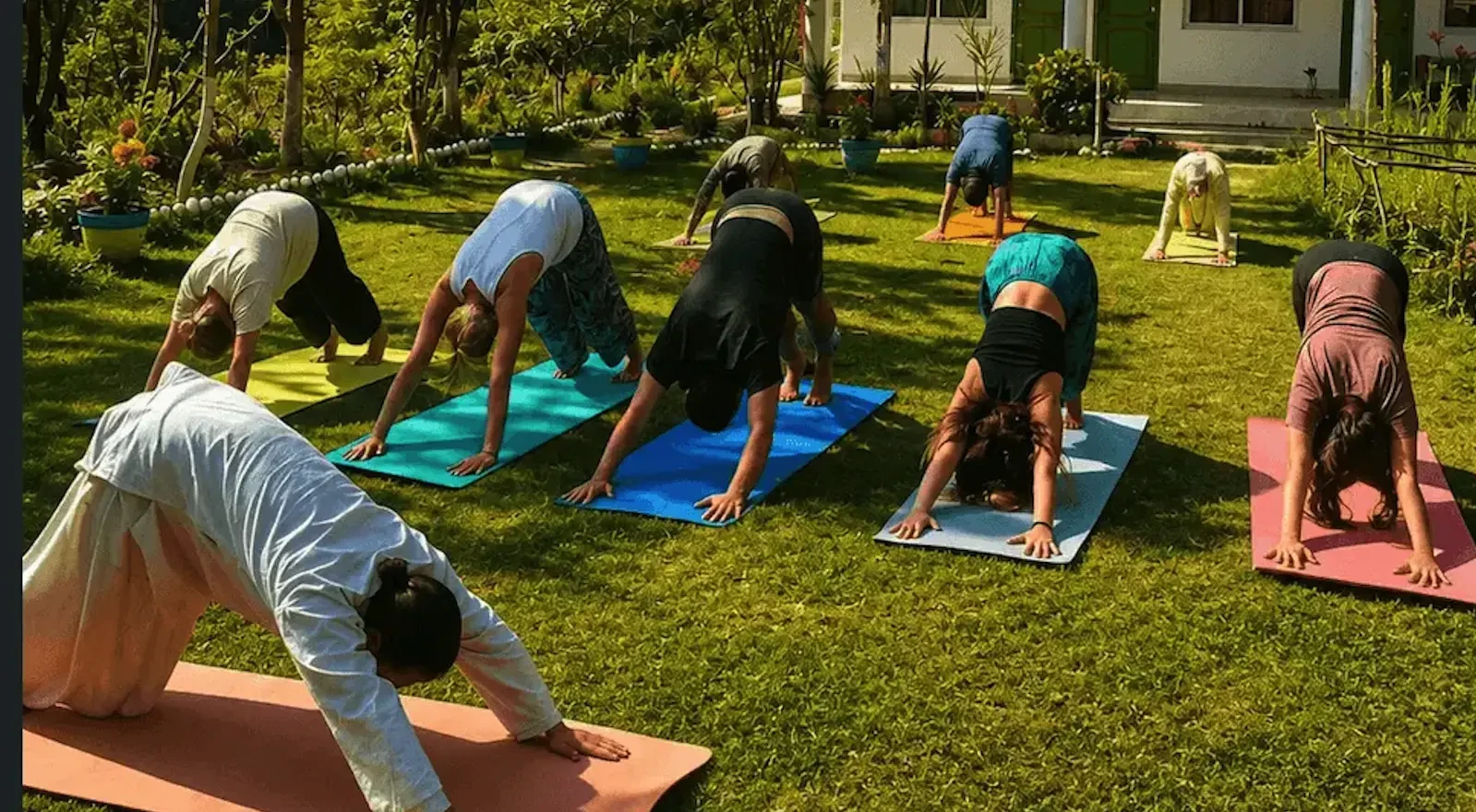
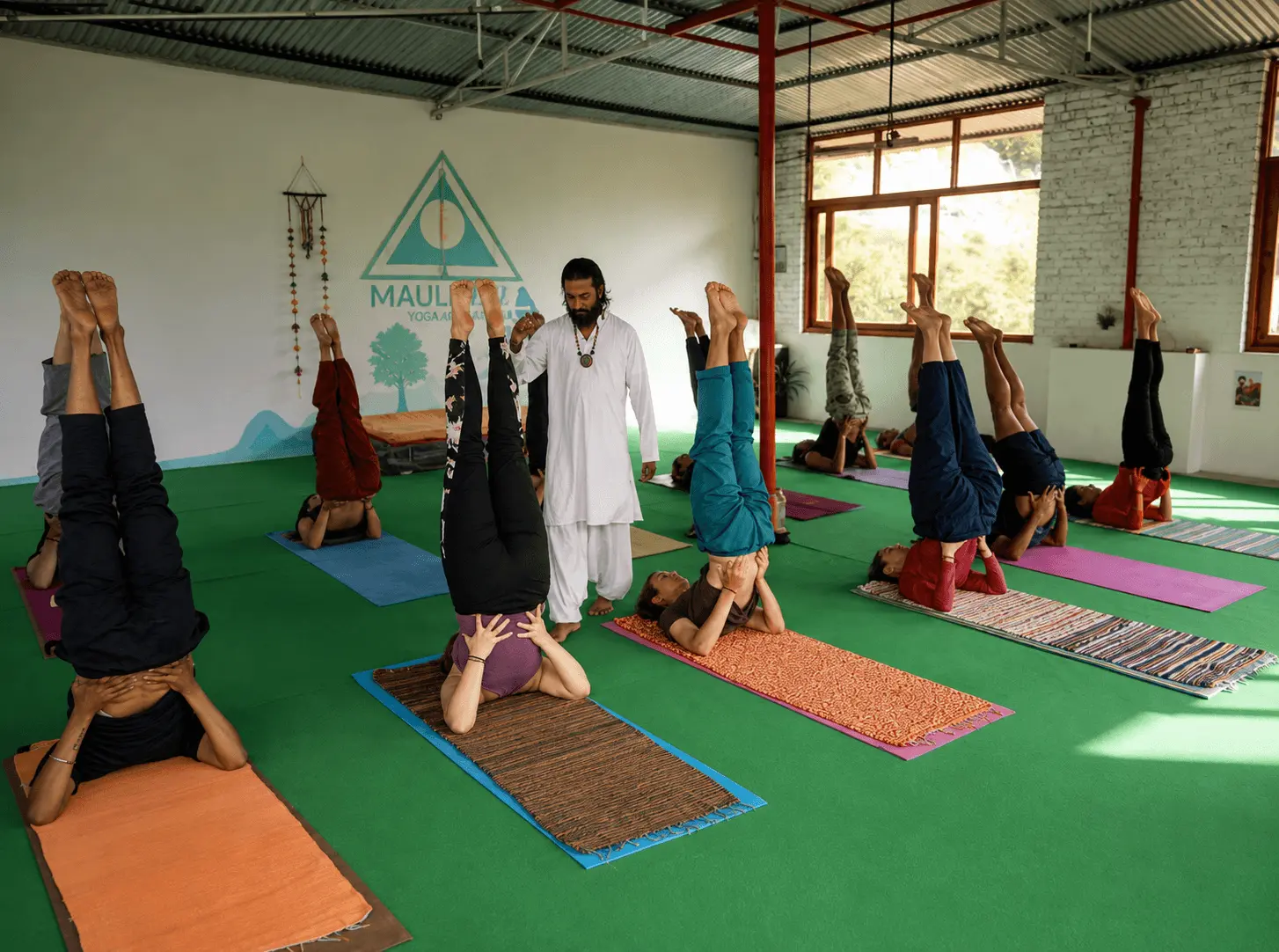
90 minutes of classical Hatha yoga in the open-air Yogshala, with hands-on alignment guidance and breathwork integration.
Warm sattvic vegetarian meal — fresh, seasonal, and prepared according to Ayurvedic principles to nourish and sustain your practice.
Mindful service, silent walking through the forest, and open meditation at the temple — integrating practice into action and awareness into movement.
The main sattvic meal of the day, followed by free time for rest, journaling, reading, or quiet walks through the ashram grounds.
Study sessions drawing from the Yoga Sutras, Bhagavad Gita, and classical texts — grounding the physical practice in its philosophical roots.
A restorative pause with herbal tea, followed by Karma Yoga — selfless service as a conscious spiritual practice.
Evening Hatha yoga — a quieter, more inward practice that closes the active day and prepares the body and mind for deep rest.
Light sattvic evening meal — warm, nourishing, and easy to digest before the night's stillness begins.
The day closes as it began — in meditation. Seated in stillness within the Puja Kuti, drawing the practice inward before rest.
Early rest to honour the morning's early rise — deep sleep as the final practice of the yogic day.
The 7-day program includes one silent yoga retreat day — a full day of silence, self-practice, and deep inner inquiry with no scheduled group sessions.
What's Included in the Yoga Retreat Fee?
One fee covers everything that matters. We have kept the pricing straightforward so you can plan without surprises.
Accommodation
Maunvan ashram sits on a forested ridge above the Ganga valley in the Himalayan foothills — genuinely away from the noise of central Rishikesh town. Your room is your retreat base: simple, clean, and built to support sleep and recovery rather than distraction.
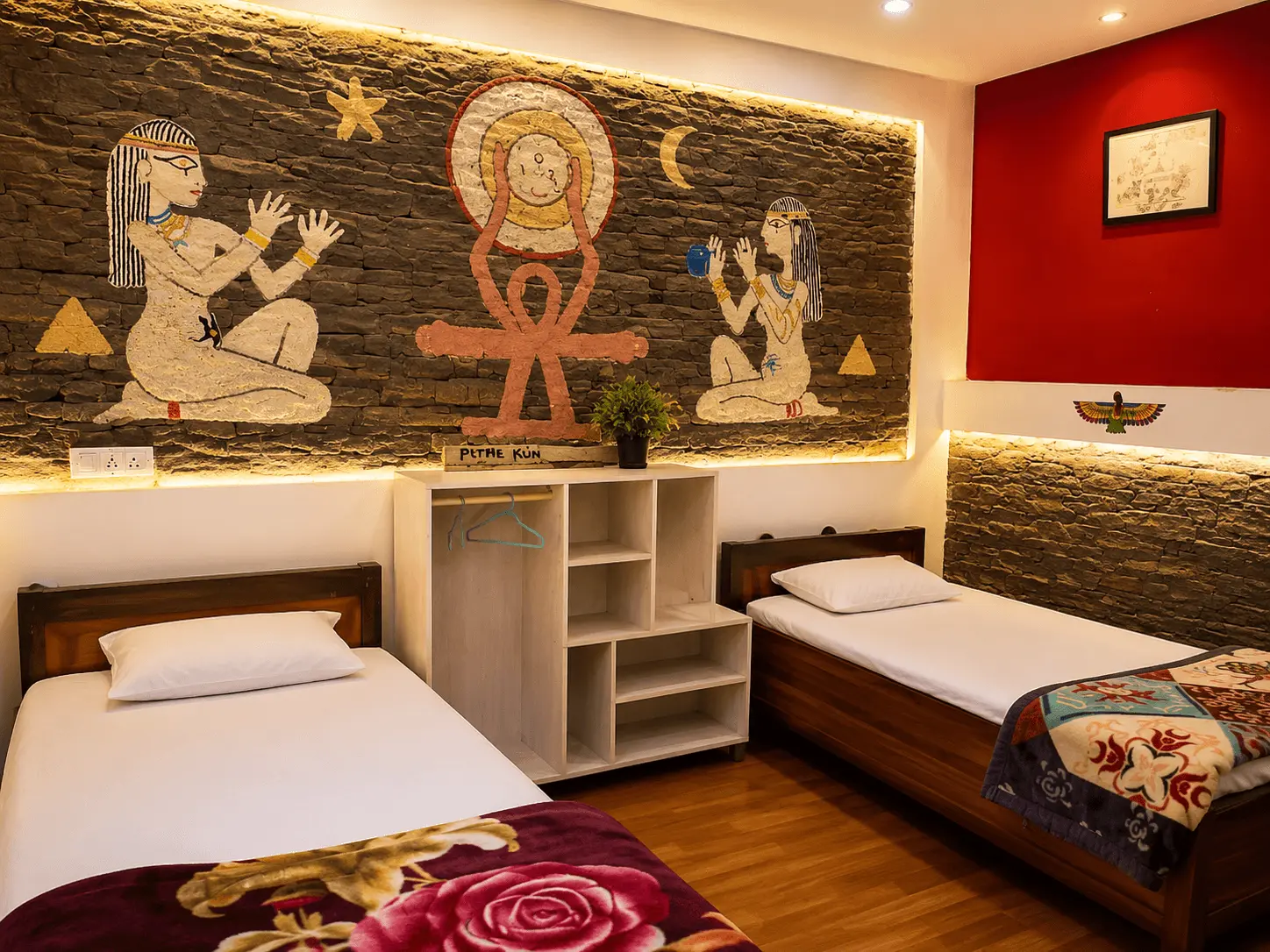

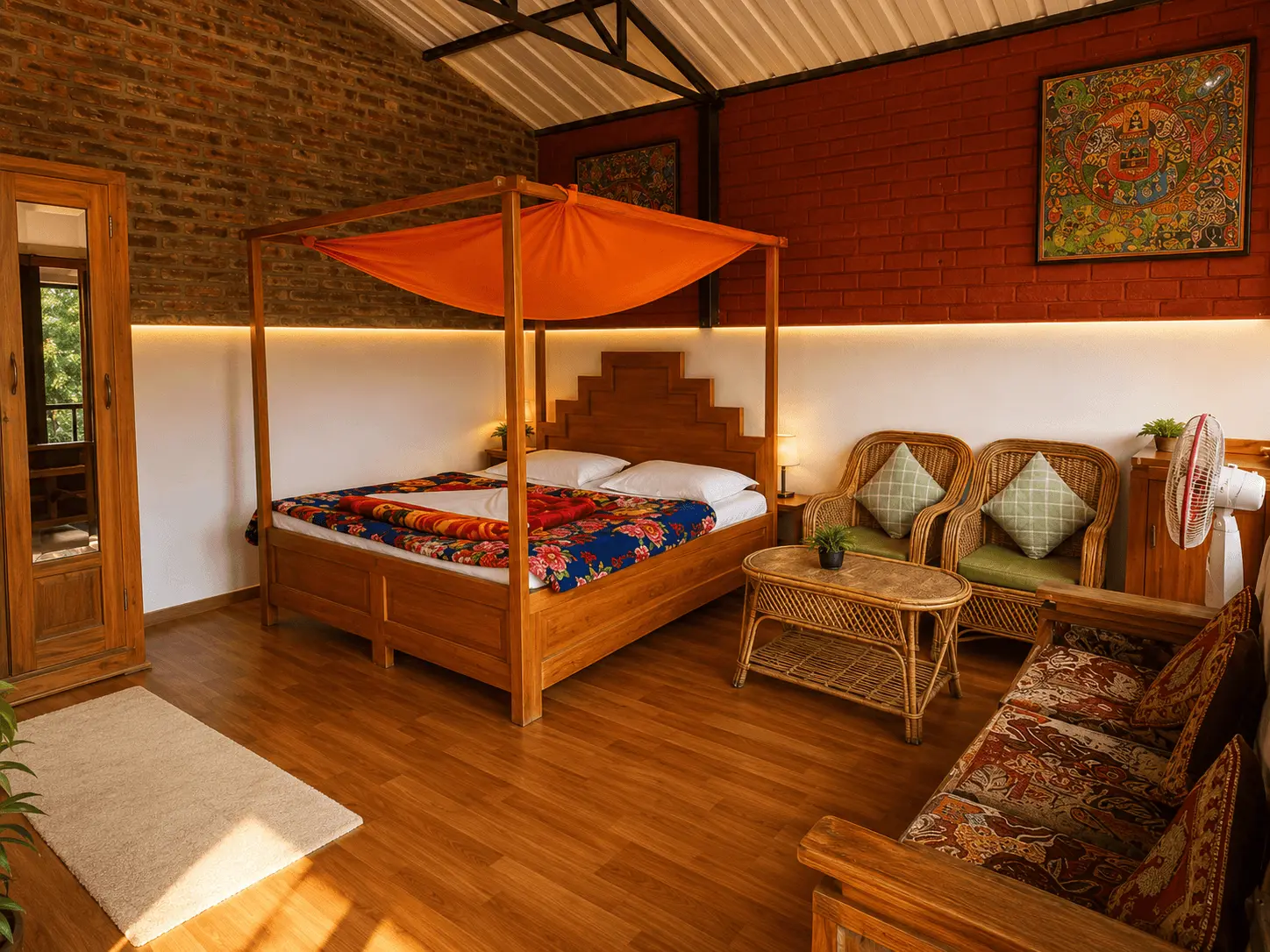
Accommodation is included in all retreat fees. No extra charges for room use, early check-in (subject to availability), or late departure on the final day.
What Do You Practice Each Day?
A yoga and meditation retreat at Maunvan is not a single style of yoga repeated every morning. Each day draws from the full classical toolkit — asana, pranayama, meditation, philosophy, and community practice — working together in a sequence that builds over the duration of your stay.
Why Choose Maunvan for Your Yoga Retreat in Rishikesh?
Rishikesh has many yoga center retreats. Here is what makes Maunvan different — not as claims, but as specific, verifiable decisions about how this place is run.
Rishikesh is recognised as the yoga capital of the world — and Maunvan sits within this tradition while keeping its practice small, personal, and rooted. The ashram does not run celebrity workshops or large festival events. The work here is quiet, consistent, and designed for lasting change rather than a memorable holiday. If you are choosing between yoga retreats in Rishikesh, the question to ask is not which retreat has the best website or the most followers — it is which one will actually change how you practice when you go home. That is the only standard we measure against.
A residential yoga and meditation retreat in Rishikesh — 3, 5, or 7 days. Morning Hatha/Ashtanga yoga, daily Pranayama and Meditation, afternoon Yin Yoga and Yoga Nidra, evening Satsang and philosophy. Himalayan forest ashram. All-inclusive. Maximum 12 participants. All levels welcome. Open year-round.