Vipassana Retreat in Rishikesh — Silent Meditation at Maunvan Ashram
Maunvan's Vipassana retreat in Rishikesh is a residential silent meditation program offered in 3, 5, and 7-day formats — teaching the classical Vipassana technique (Anapana breath awareness, body scanning, and Metta Bhavana) in a forested Himalayan ashram. All levels welcome. Non-religious. Small batches. All-inclusive. The Vipassana meditation centre at Maunvan limits every program to a maximum of 12 participants — a firm limit that makes individual teacher attention possible.
Vipassana is one of India's most ancient and powerful meditation techniques — 2,500 years old, non-sectarian, and compatible with every spiritual background. It requires no prior meditation experience, no specific belief, and no preparation beyond a sincere willingness to look at your own mind honestly. See related programs: Meditation Centre, Healing Retreat, Yoga Retreat.
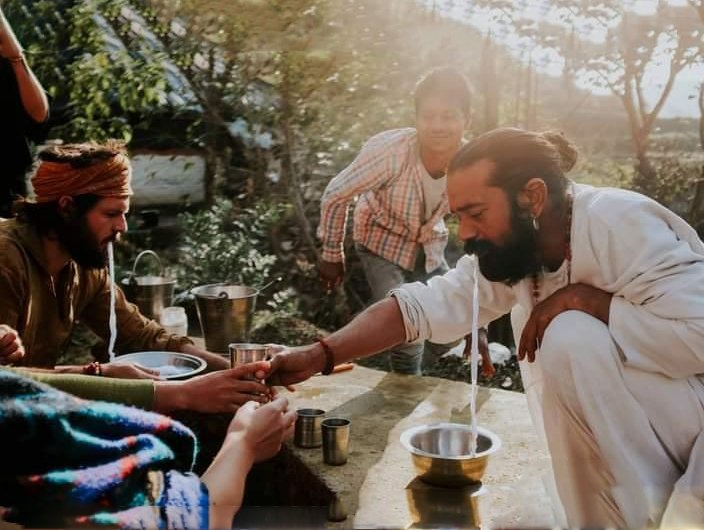
What is Vipassana Meditation? — Origin, Meaning & Practice
Vipassana meditation is a 2,500-year-old Indian technique that trains practitioners to observe bodily sensations with sustained, non-reactive awareness. By observing all sensations without craving or aversion, deep-rooted mental patterns dissolve — producing lasting improvements in mental clarity, emotional balance, and self-understanding. It is non-religious and requires no prior experience.
Vipassana — meaning "to see things as they really are" — was rediscovered by Siddhartha Gautama and preserved within the Theravāda Buddhist tradition. It is not a religion, not a ritual, and not a belief system. It is a practical science of the mind: a method for purifying the deepest layers of consciousness through direct, personal experience.
The technique works on a simple but profound principle: all suffering arises from habitual patterns of craving and aversion that are triggered by bodily sensations. By systematically observing these sensations — without reacting, without judging — the meditator gradually dissolves old conditioned patterns at their root. This is insight meditation in its most direct form: not guided imagery, not mantra, not visualisation, but clear, sustained, non-reactive awareness.
Stress, anxiety, anger, grief, addiction — all arise from the same root cause that Vipassana directly addresses. This is why hundreds of thousands of people across the world are now practising Vipassana. At Maunvan, the technique is taught in its classical, non-sectarian form. No prior belief, religious affiliation, or meditation experience is required for the introductory programs.
How Does the Vipassana Technique Work? — The Four Stages
The Vipassana meditation technique has four sequential stages. These are taught progressively across the retreat — one building on the previous, until the complete practice is in place.
Vipassana Retreat Dates & Availability 2026 / 2027
New batches begin every Monday throughout the year. You choose how many days — 3, 5, or 7 — starting from any available date. Rolling intake all year, limited to a maximum of 12 participants per batch. Book early to secure your preferred date.
| Start Date | 3 Days (Single / Couple) | 5 Days (Single / Couple) | 7 Days (Single / Couple) | |
|---|---|---|---|---|
| 05 Oct 2026 | $206 / $191 | $278 / $252 | $350 / $315 | Booking Closed |
| 12 Oct 2026 | $206 / $191 | $278 / $252 | $350 / $315 | |
| 19 Oct 2026 | $206 / $191 | $278 / $252 | $350 / $315 | |
| 26 Oct 2026 | $206 / $191 | $278 / $252 | $350 / $315 | |
| 02 Nov 2026 | $206 / $191 | $278 / $252 | $350 / $315 | |
| 09 Nov 2026 | $206 / $191 | $278 / $252 | $350 / $315 | |
| 16 Nov 2026 | $206 / $191 | $278 / $252 | $350 / $315 | |
| 23 Nov 2026 | $206 / $191 | $278 / $252 | $350 / $315 | |
| 30 Nov 2026 | $206 / $191 | $278 / $252 | $350 / $315 | |
| 07 Dec 2026 | $206 / $191 | $278 / $252 | $350 / $315 | |
| 14 Dec 2026 | $206 / $191 | $278 / $252 | $350 / $315 | |
| 21 Dec 2026 | $206 / $191 | $278 / $252 | $350 / $315 | |
| 28 Dec 2026 | $206 / $191 | $278 / $252 | $350 / $315 | |
| 04 Jan 2027 | $206 / $191 | $278 / $252 | $350 / $315 | |
| 11 Jan 2027 | $206 / $191 | $278 / $252 | $350 / $315 | |
| 18 Jan 2027 | $206 / $191 | $278 / $252 | $350 / $315 | |
| 25 Jan 2027 | $206 / $191 | $278 / $252 | $350 / $315 | |
| 01 Feb 2027 | $206 / $191 | $278 / $252 | $350 / $315 | |
| 08 Feb 2027 | $206 / $191 | $278 / $252 | $350 / $315 | |
| 15 Feb 2027 | $206 / $191 | $278 / $252 | $350 / $315 | |
| 22 Feb 2027 | $206 / $191 | $278 / $252 | $350 / $315 | |
| 01 Mar 2027 | $206 / $191 | $278 / $252 | $350 / $315 | |
| 08 Mar 2027 | $206 / $191 | $278 / $252 | $350 / $315 | |
| 15 Mar 2027 | $206 / $191 | $278 / $252 | $350 / $315 | |
| 22 Mar 2027 | $206 / $191 | $278 / $252 | $350 / $315 | |
| 29 Mar 2027 | $206 / $191 | $278 / $252 | $350 / $315 | |
| 05 Apr 2027 | $206 / $191 | $278 / $252 | $350 / $315 | |
| 12 Apr 2027 | $206 / $191 | $278 / $252 | $350 / $315 | |
| 19 Apr 2027 | $206 / $191 | $278 / $252 | $350 / $315 | |
| 26 Apr 2027 | $206 / $191 | $278 / $252 | $350 / $315 | |
| 03 May 2027 | $206 / $191 | $278 / $252 | $350 / $315 | |
| 10 May 2027 | $206 / $191 | $278 / $252 | $350 / $315 | |
| 17 May 2027 | $206 / $191 | $278 / $252 | $350 / $315 | |
| 24 May 2027 | $206 / $191 | $278 / $252 | $350 / $315 | |
| 31 May 2027 | $206 / $191 | $278 / $252 | $350 / $315 | |
| 07 Jun 2027 | $206 / $191 | $278 / $252 | $350 / $315 | |
| 14 Jun 2027 | $206 / $191 | $278 / $252 | $350 / $315 | |
| 21 Jun 2027 | $206 / $191 | $278 / $252 | $350 / $315 | |
| 28 Jun 2027 | $206 / $191 | $278 / $252 | $350 / $315 | |
| 05 Jul 2027 | $206 / $191 | $278 / $252 | $350 / $315 | |
| 12 Jul 2027 | $206 / $191 | $278 / $252 | $350 / $315 | |
| 19 Jul 2027 | $206 / $191 | $278 / $252 | $350 / $315 | |
| 26 Jul 2027 | $206 / $191 | $278 / $252 | $350 / $315 | |
| 02 Aug 2027 | $206 / $191 | $278 / $252 | $350 / $315 | |
| 09 Aug 2027 | $206 / $191 | $278 / $252 | $350 / $315 | |
| 16 Aug 2027 | $206 / $191 | $278 / $252 | $350 / $315 | |
| 23 Aug 2027 | $206 / $191 | $278 / $252 | $350 / $315 | |
| 30 Aug 2027 | $206 / $191 | $278 / $252 | $350 / $315 | |
| 06 Sep 2027 | $206 / $191 | $278 / $252 | $350 / $315 | |
| 13 Sep 2027 | $206 / $191 | $278 / $252 | $350 / $315 | |
| 20 Sep 2027 | $206 / $191 | $278 / $252 | $350 / $315 | |
| 27 Sep 2027 | $206 / $191 | $278 / $252 | $350 / $315 | |
| 04 Oct 2027 | $206 / $191 | $278 / $252 | $350 / $315 | |
| 11 Oct 2027 | $206 / $191 | $278 / $252 | $350 / $315 | |
| 18 Oct 2027 | $206 / $191 | $278 / $252 | $350 / $315 | |
| 25 Oct 2027 | $206 / $191 | $278 / $252 | $350 / $315 | |
| 01 Nov 2027 | $206 / $191 | $278 / $252 | $350 / $315 | |
| 08 Nov 2027 | $206 / $191 | $278 / $252 | $350 / $315 | |
| 15 Nov 2027 | $206 / $191 | $278 / $252 | $350 / $315 | |
| 22 Nov 2027 | $206 / $191 | $278 / $252 | $350 / $315 | |
| 29 Nov 2027 | $206 / $191 | $278 / $252 | $350 / $315 | |
| 06 Dec 2027 | $206 / $191 | $278 / $252 | $350 / $315 | |
| 13 Dec 2027 | $206 / $191 | $278 / $252 | $350 / $315 | |
| 20 Dec 2027 | $206 / $191 | $278 / $252 | $350 / $315 | |
| 27 Dec 2027 | $206 / $191 | $278 / $252 | $350 / $315 |
All fees are all-inclusive — accommodation, 3 meals/day, all yoga sessions & teacher guidance. Max 12 participants per batch. Best time for yoga retreat in Rishikesh: October to March for cool weather; July–August for lush monsoon green.
Daily Schedule — Vipassana Retreat Timetable
The Vipassana daily schedule is intensive by design. Each day includes approximately 10 to 11 hours of meditation practice, balanced with rest, meals, and an evening Dhamma discourse. The structured routine supports the practice — the more completely you surrender to it, the more effective it becomes.
The bell rings in the pre-dawn silence. Rise gently, wash, and prepare — the day begins before the valley stirs.
A slow, mindful walk through the Himalayan forest — awakening the body and settling the mind before seated practice begins.
Seated Vipassana meditation in the sacred Puja Kuti — the stillest and most receptive hour of the day.
Classical yogic cleansing practices to purify and prepare the body — Jala Neti and related techniques practised in silence.
A light sattvic breakfast with herbal tea. Simple, nourishing, and taken in silence to preserve the morning's inner stillness.
Group meditation followed by progressive Vipassana technique instruction. The core learning session of the day — deepening and refining the practice.
Independent practice in the Yoga Hall — applying the technique learned, without instruction. The mind settles into its own depth.
The main sattvic meal of the day, followed by rest — an essential part of the practice structure, allowing integration before the afternoon sessions.
Continued Vipassana sitting in the Puja Kuti. The afternoon session often produces the deepest stillness of the day.
A gentle pause with herbal tea, or a mindful walk through the forest — a quiet breath between the afternoon and evening sittings.
Evening group sitting — one of the most powerful sessions. The collective silence of the group deepens individual practice in ways that solo sitting cannot.
Light sattvic evening meal — warm, nourishing, and easy to digest before the final sitting of the day.
The final sitting of the day — the day closes as it began, in meditation. The mind comes to rest before the night's silence begins.
Lights out. Deep rest as part of the practice — the body recovers, the practice continues within.
Accommodation at Maunvan Ashram
Maunvan ashram sits on a forested ridge above the Ganga valley — genuinely away from the noise of Rishikesh town. Your room is your retreat base: simple, clean, and built to support the quality of silence that serious Vipassana practice requires. Accommodation is fully included in all program fees.
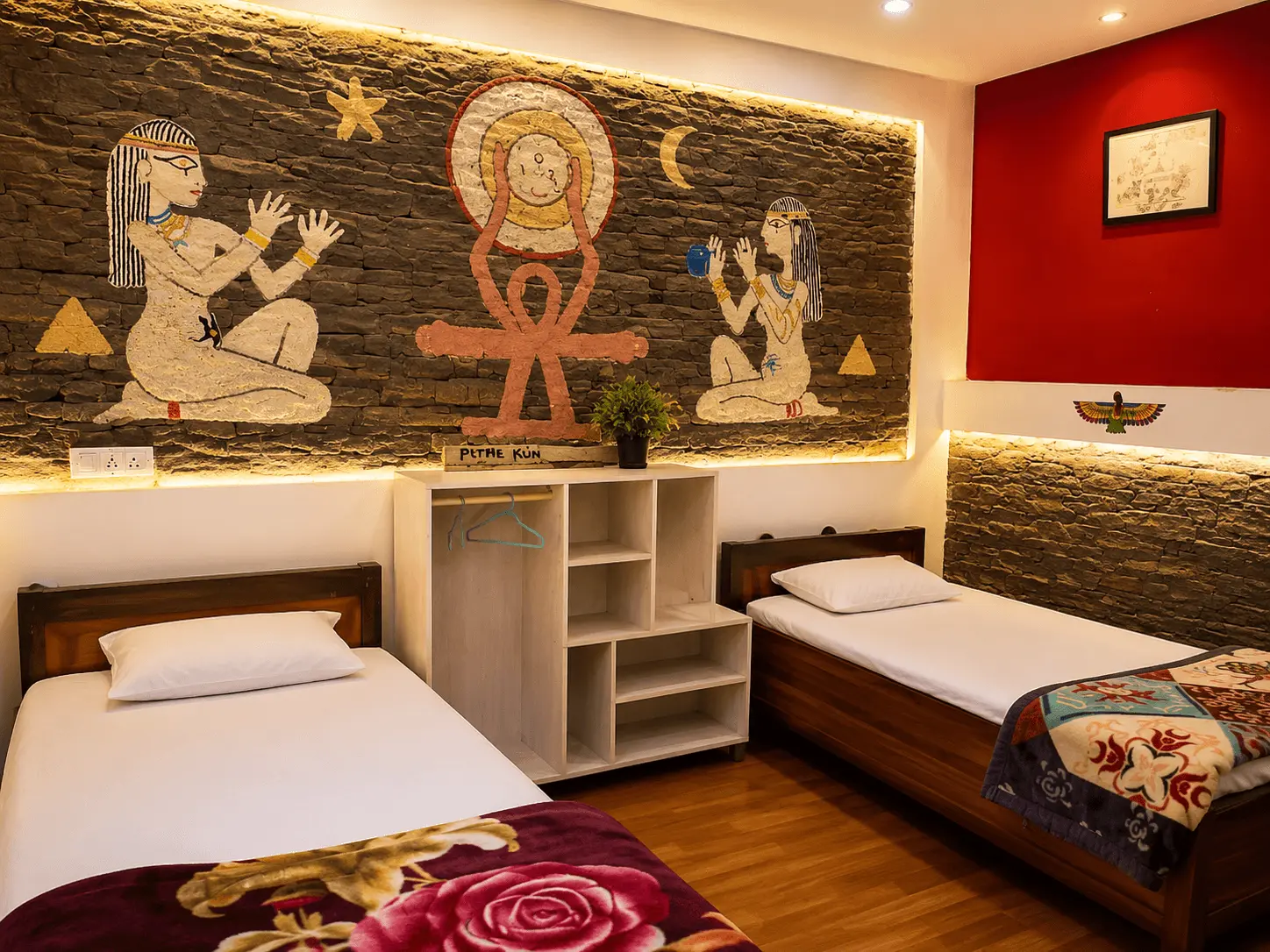
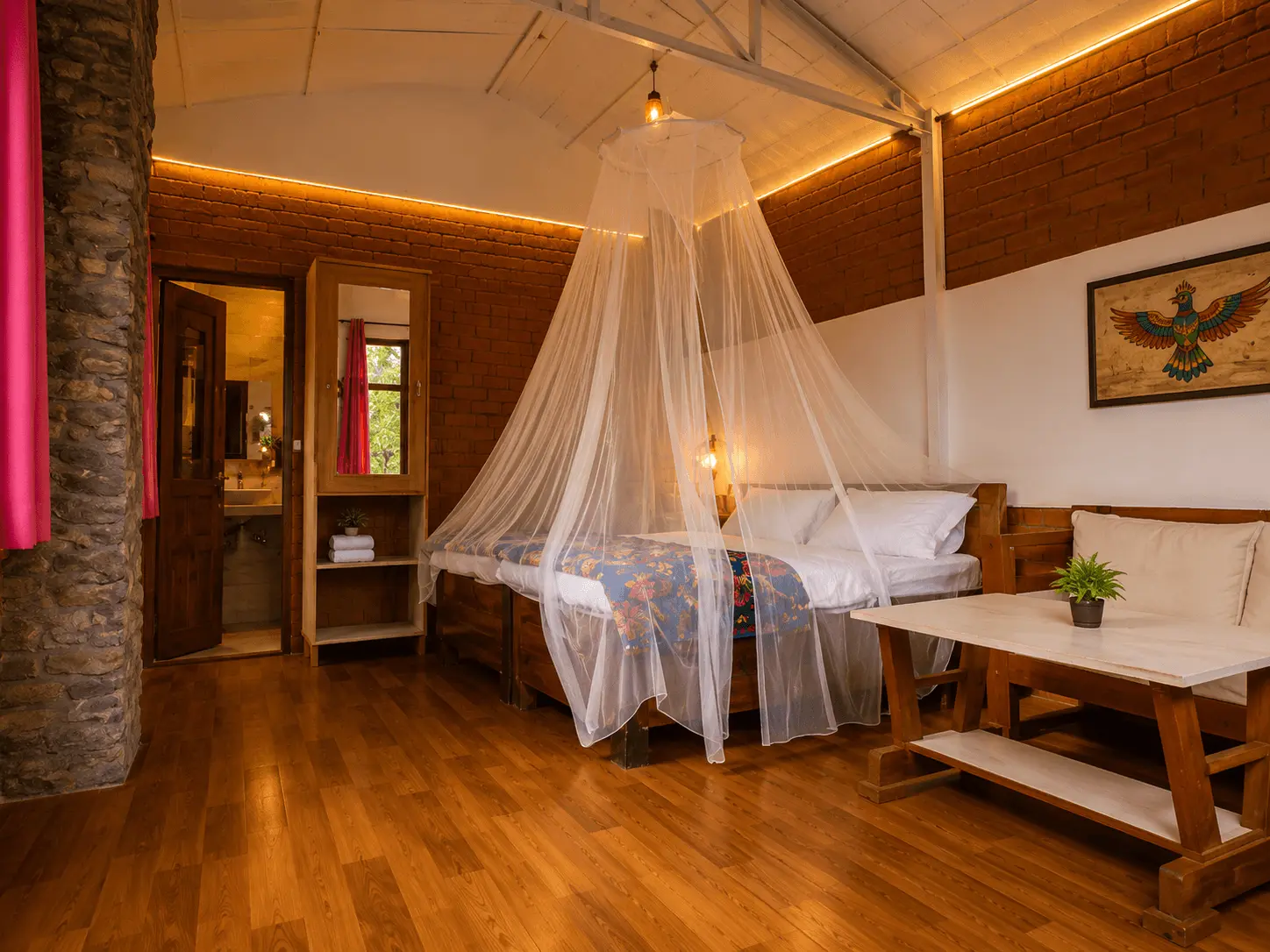
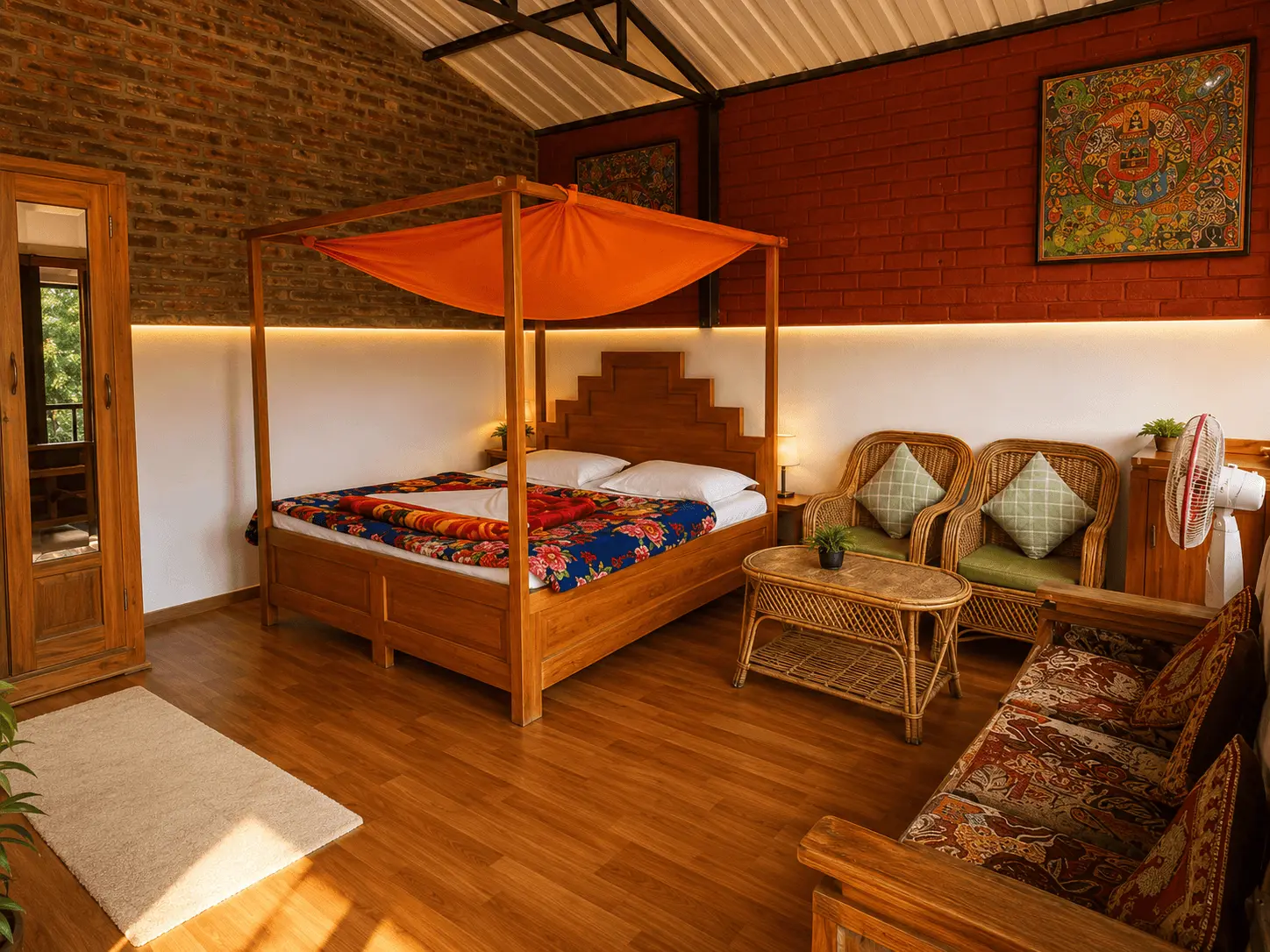
Accommodation is included in all program fees. Towels and bedding are provided. Arrive by 4:00 PM on your start date.
Can Beginners Do Vipassana? — What First-Timers Need to Know
Yes — beginners can absolutely do Vipassana. No prior meditation experience is required. Maunvan's 3-day Vipassana retreat is specifically designed for first-time practitioners, with a slower instruction pace and more frequent teacher guidance. The only requirement is a sincere wish to understand your mind and the willingness to observe noble silence for the full duration.
Vipassana asks you to completely step out of your normal life for a period — no phone, no email, no reading, no conversation. For some people this sounds daunting. For others, it sounds like exactly the relief they have been looking for. Both responses are equally valid starting points.
Our 3-day program is structured so that the pace of instruction is slower, the teacher guidance is more frequent, and there is more space for adjustment in the early days. By the end of the three days, most first-time participants have had at least some direct experience of what the technique can produce — a quieter mind, a clearer perspective, a sense of having met themselves honestly for the first time.
If you are wondering whether you are "ready" — the answer is almost certainly yes. The only real qualification is the sincere wish to understand your own mind more deeply.
Why Choose Maunvan as Your Vipassana Centre in Rishikesh?
There are several Vipassana centres in Rishikesh. The differences are not trivial. Here is what specifically makes Maunvan different.
A residential Vipassana silent meditation retreat in Rishikesh — 3, 5, or 7 days — teaching classical Anapana breath observation, Vipassana body scanning, and Metta Bhavana in a Himalayan forest ashram. All-inclusive from ₹9,000. Maximum 12 participants. Non-religious. All levels welcome. Programs run year-round.
Frequently Asked Questions
Page last updated: